Known for her personalized approach and deep market knowledge, June is committed to providing exceptional service and ensuring successful transactions for every client.
Contact
© Copyright 2025 June Ling. Website created by Creatif.work
WhatsApp Main Line 8833 1080 currently inaccessible. Please WhatsApp me at my temporary number 8068 0920 instead.
A clear-eyed look at the HDB market in 2026 and how to structure your upgrade properly. Not just whether to move, but how to move so the numbers still work three to five years from now.
If you’ve been following the market, something interesting is happening.
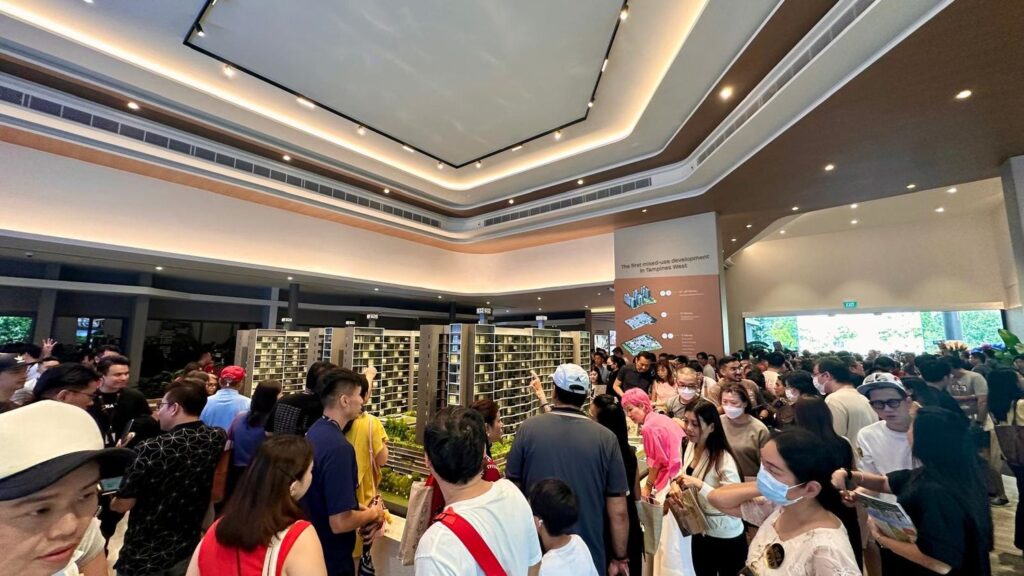
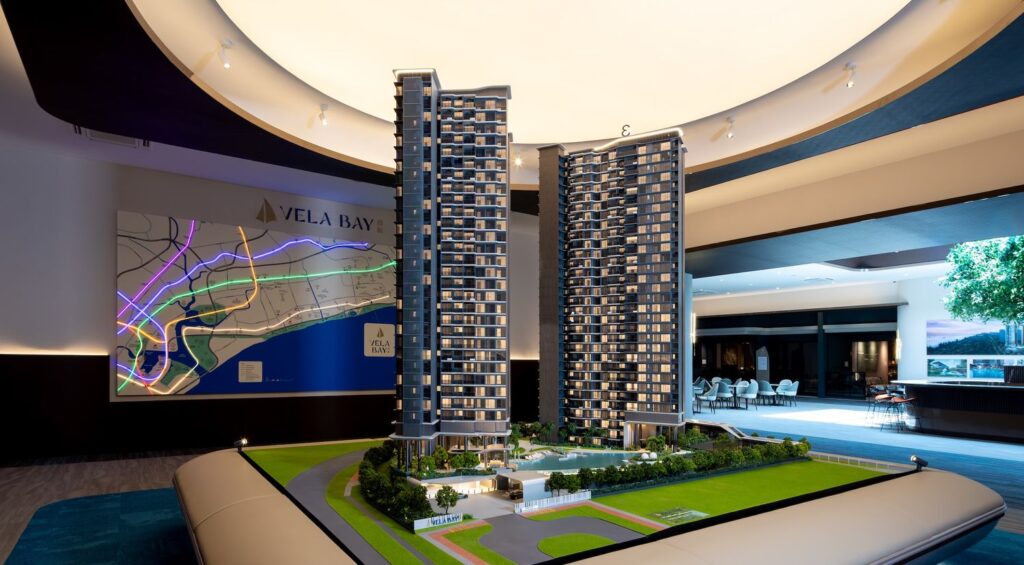
New launches are moving fast. Pinery Residences broke $2,7xx psf in Tampines West and sold 92.5% on launch day. Vela Bay at Bayshore had crowds snapping up units left, right, and centre. Private property prices are holding, climbing in some segments.
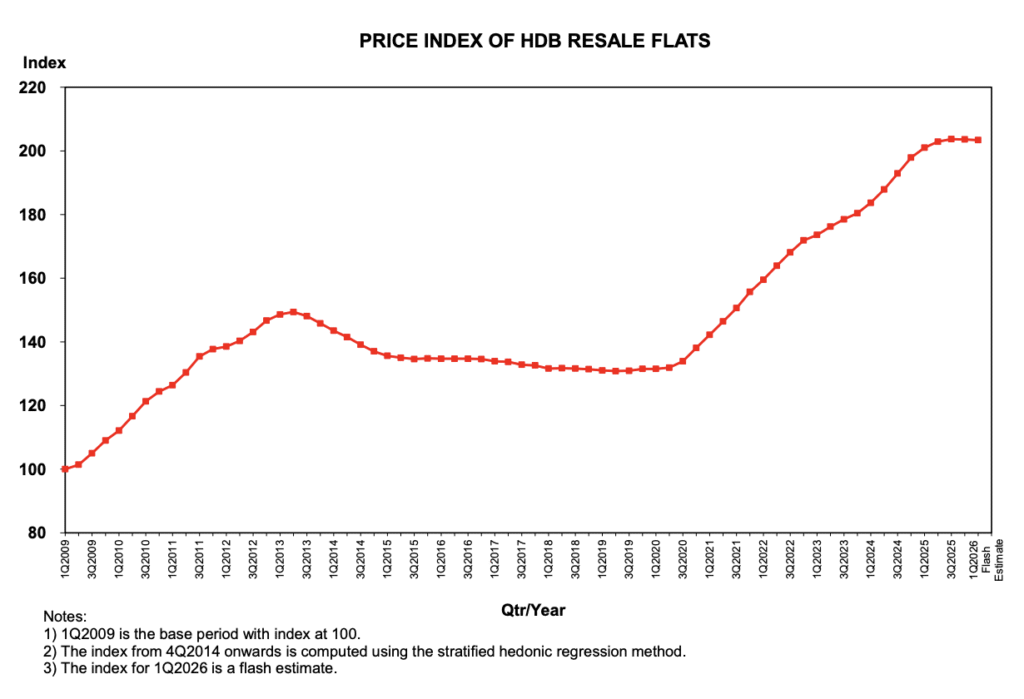
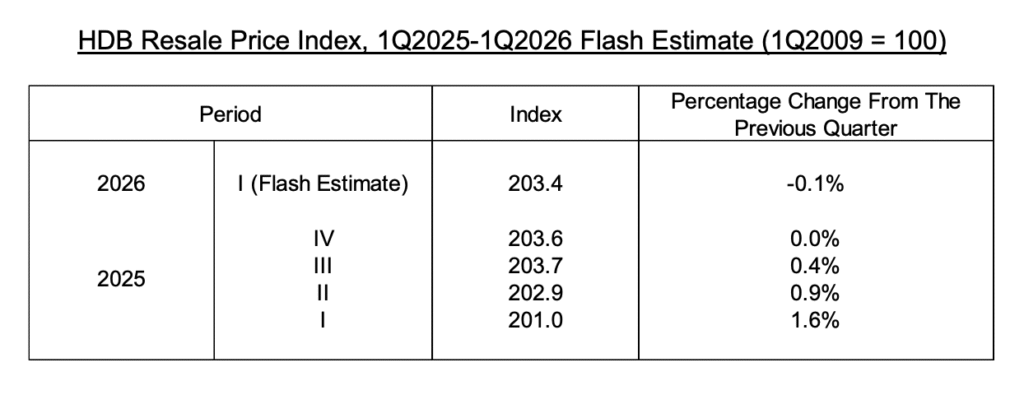
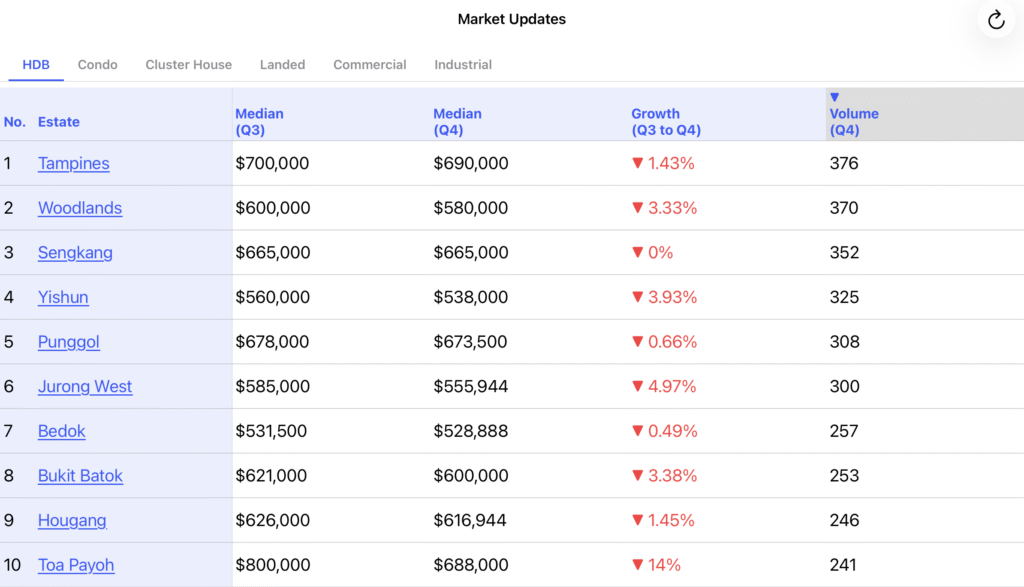
But HDB resale has slowed. In Q1 2026, HDB resale prices dipped 0.1%. That’s the first decline in close to seven years. It wasn’t sudden either. It followed four consecutive quarters of slowing momentum through 2025, from 1.6% growth down to near zero, then finally tipping negative.
Three forces are driving the shift.
First, supply is rising. Between 2026 and 2028, over 53,000 HDB flats reach MOP. That’s about 58.8% more supply than the previous three-year period. More homeowners enter the resale market at the same time, all competing for the same pool of buyers.
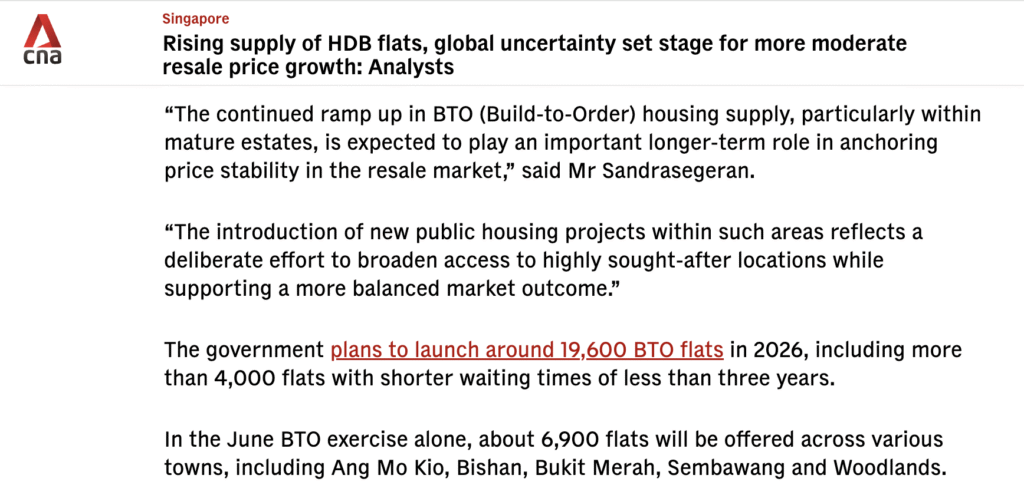
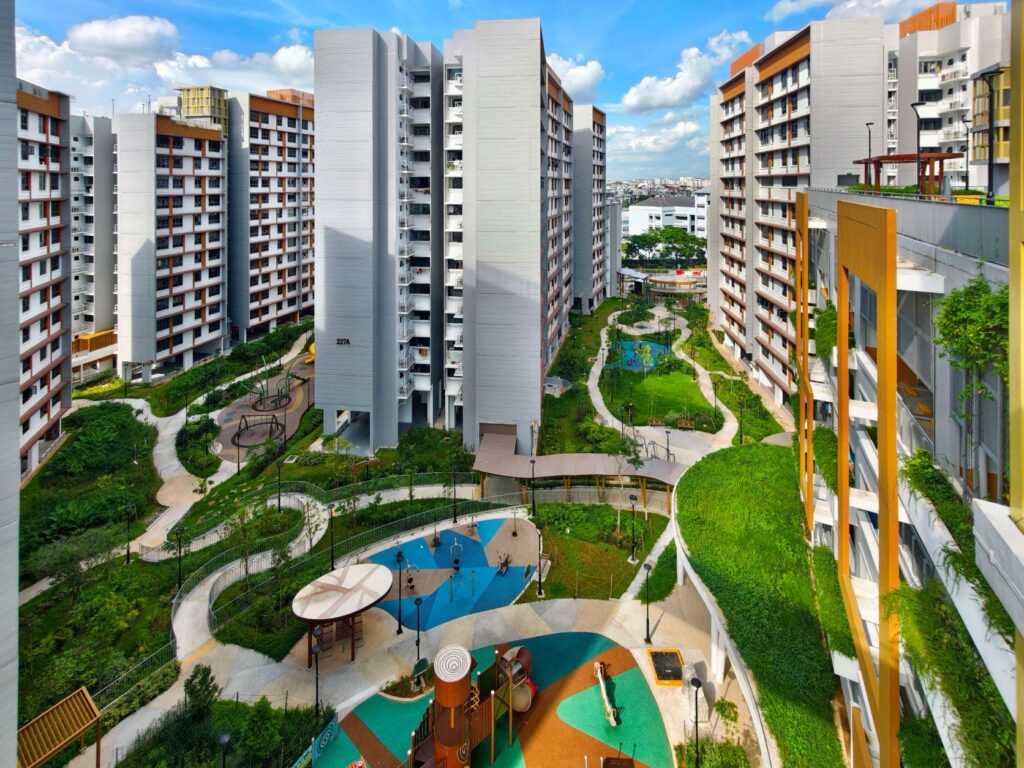
At the same time, the government is ramping up new HDB launches. 17 to 19 thousand BTO flats coming in 2026 alone. Waiting times have shortened significantly compared to the COVID period. Buyers today are no longer forced into the resale market like before.
Second, demand is softening. Resale transaction volumes are already down about 4.5% year-on-year. It’s not that buyers have disappeared. They’ve become more selective and more price-sensitive.


Previously, many buyers were willing to move quickly and pay above valuation to secure a unit. That urgency is gone. Buyers are taking more time to compare, negotiate, and walk away if the price doesn’t make sense. With more alternatives available, including shorter BTO waiting times and new launches with structured payment schemes, buyers have options.
This isn’t a demand collapse. It’s a demand reset.
Third, buyer behaviour is shifting. Buyers today are not asking “can I afford this.” They’re asking “is this the right entry price, and what are my alternatives?”
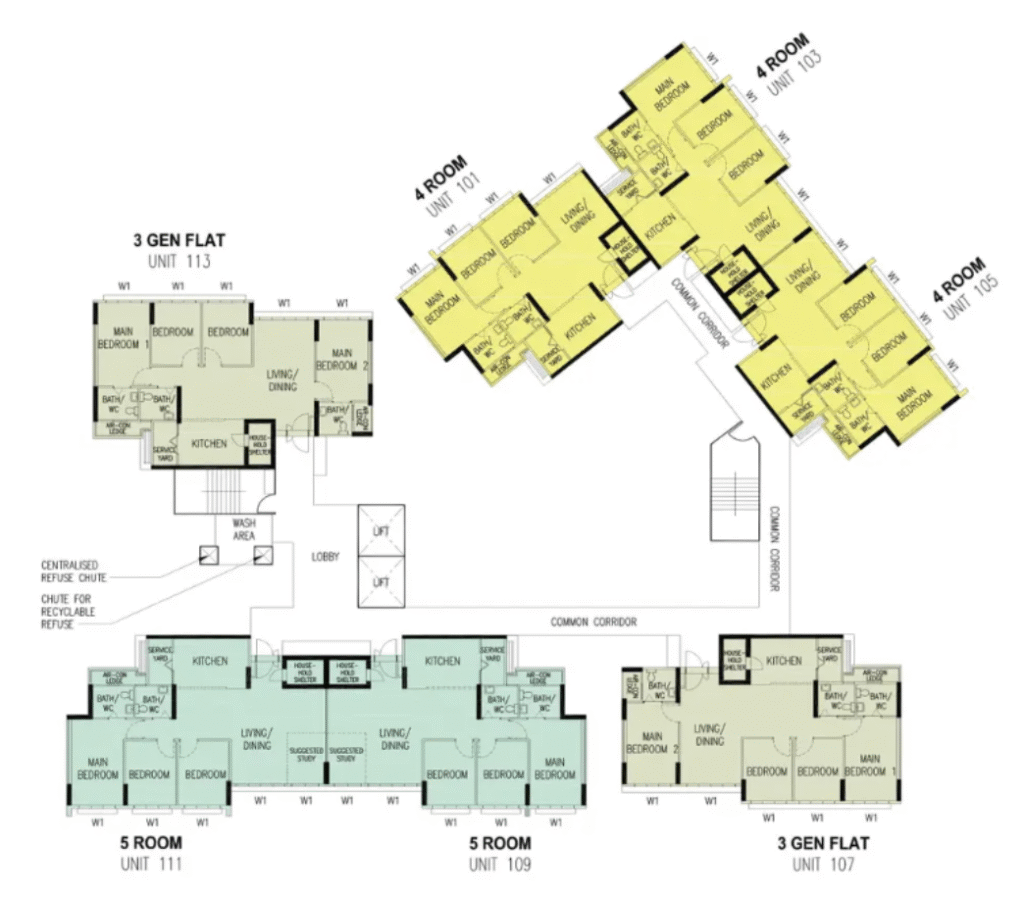
I recently sold a newly MOP-ed Tampines HDB unit where buyers were arranging viewings based on specific stacks and floor levels. Not just visiting the unit, but comparing within the same development before making a move. That kind of scrutiny was rare before 2026.
Offers are also coming in more conservatively, usually around $20,000 to $30,000 under SRX valuation. Buyers are less emotionally driven. If a unit feels overpriced, they step back and wait. Sometimes the same buyer comes back two or three weeks later asking if the seller is now serious about selling.
You’re playing both sides of the market. Selling in the HDB market while buying into the private market.
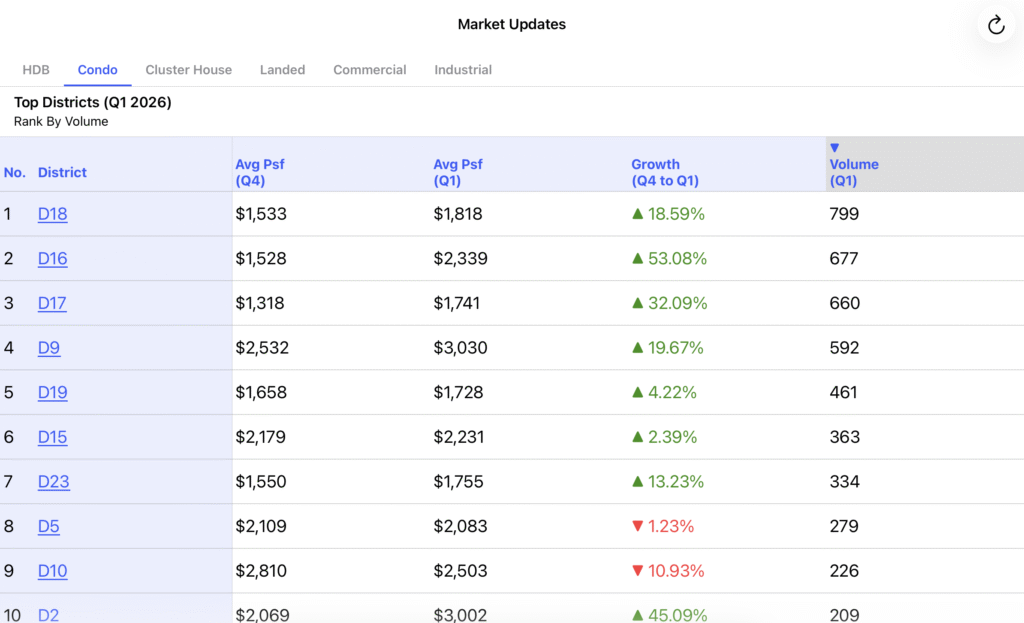
So timing matters, but not in the way most people think.
Most people try to time the market by asking: “Should I wait for private property prices to drop?”
Here’s the reality. If private prices drop, HDB prices usually soften too. Both markets are connected. When overall sentiment weakens, it flows across the entire property market.
So even if private property prices fall, you’re likely also selling your HDB at a lower price. Your net position doesn’t improve much. In some cases, it works against you, because while your selling price drops, your loan quantum, interest rates, and holding costs don’t necessarily adjust in your favour.
By the time prices clearly drop, most buyers have already stepped back, transactions have died down, and it actually becomes harder to sell your current property efficiently.
The smarter approach is to focus on timing your position, not the market direction.
Ask yourself:
You don’t make money in real estate by perfectly timing the market. You make money by entering the right asset, at the right price, with the right strategy.
Clients come in and say “my budget is $1.8M.” When we break it down, that number rarely accounts for:
They end up stretching and becoming very tight after the purchase. That’s the fastest way to regret an upgrade.
A proper upgrade should feel comfortable, sustainable, and still leave room for flexibility and rainy days. Not barely affordable.
Most upgraders spend too much time on:
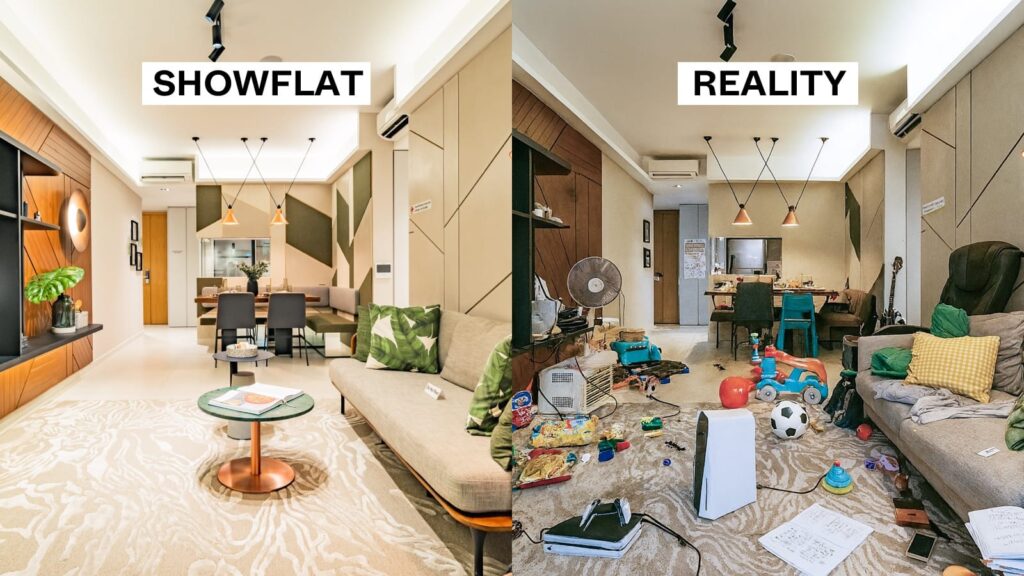
And not nearly enough on what price they are entering at, or what their neighbours in the same project entered at.
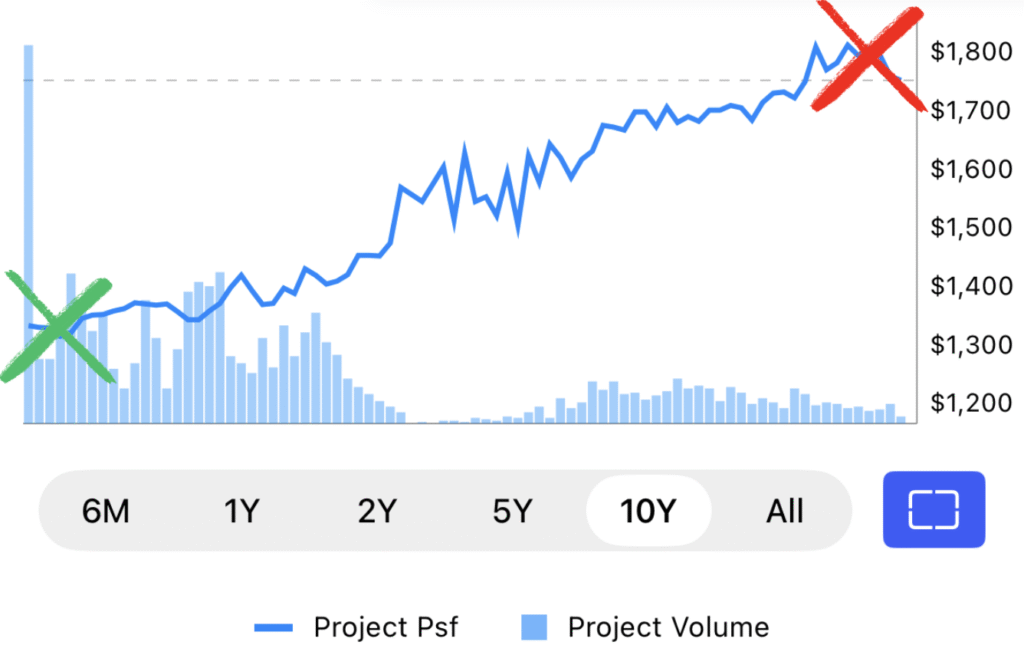
In today’s market, two people can buy the same project and have completely different outcomes. One enters at a good price. One overpays. Three years later, one makes money and the other struggles to exit and walks away thinking property is a scam.
When you upgrade, you must stop thinking like a homeowner and start thinking like an investor. Even if it’s for own stay.
This is the part most people glaze past.
When you buy your next property, you should already know who you’re going to sell to in the future. Is it another upgrader? An investor? A downgrader? Different projects attract different exit pools.
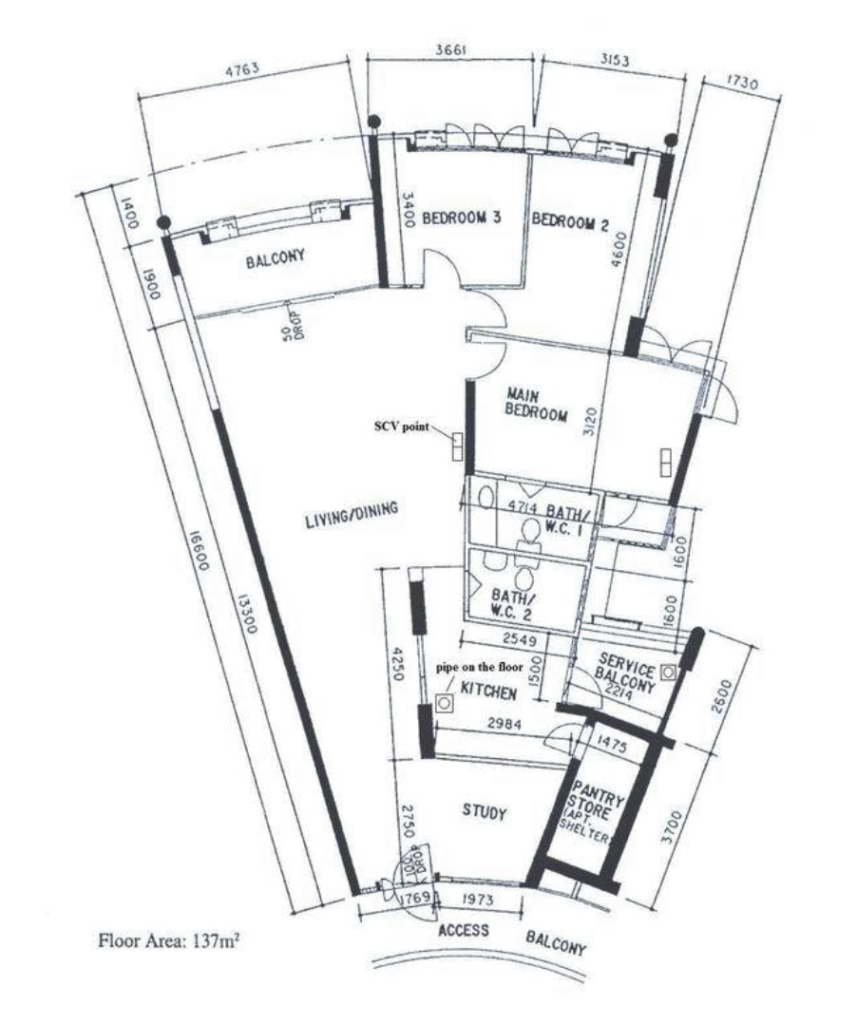
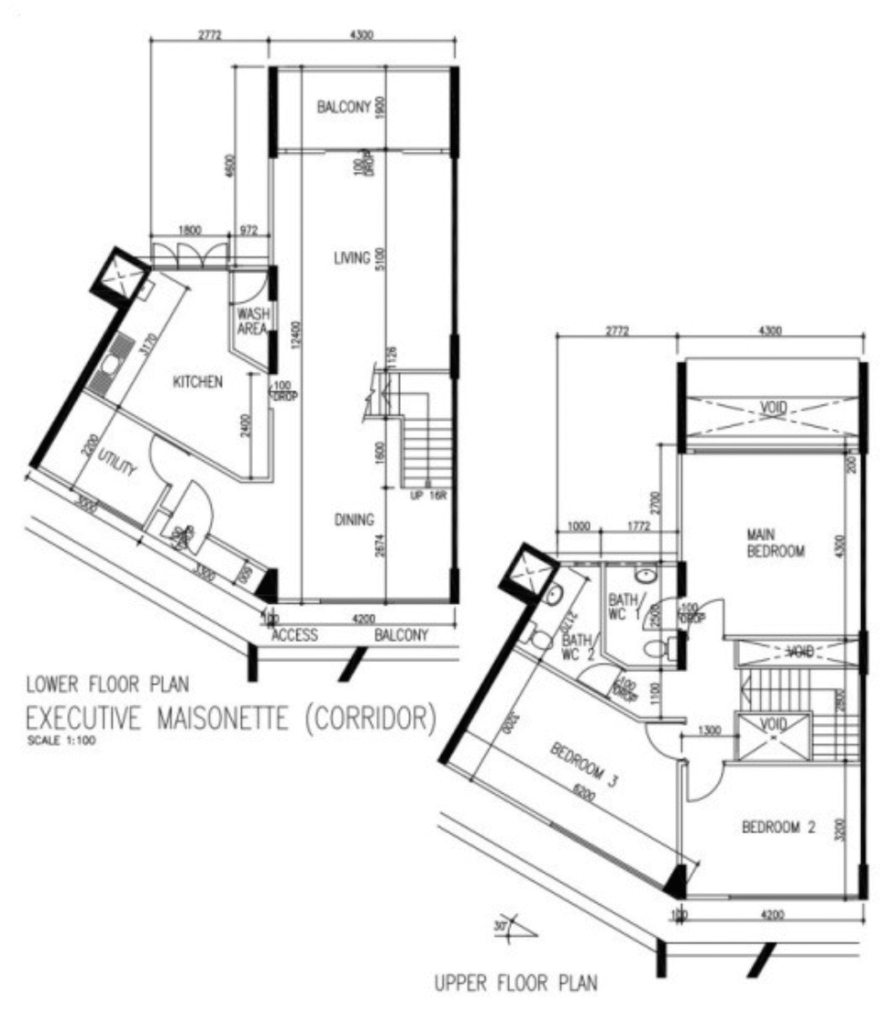
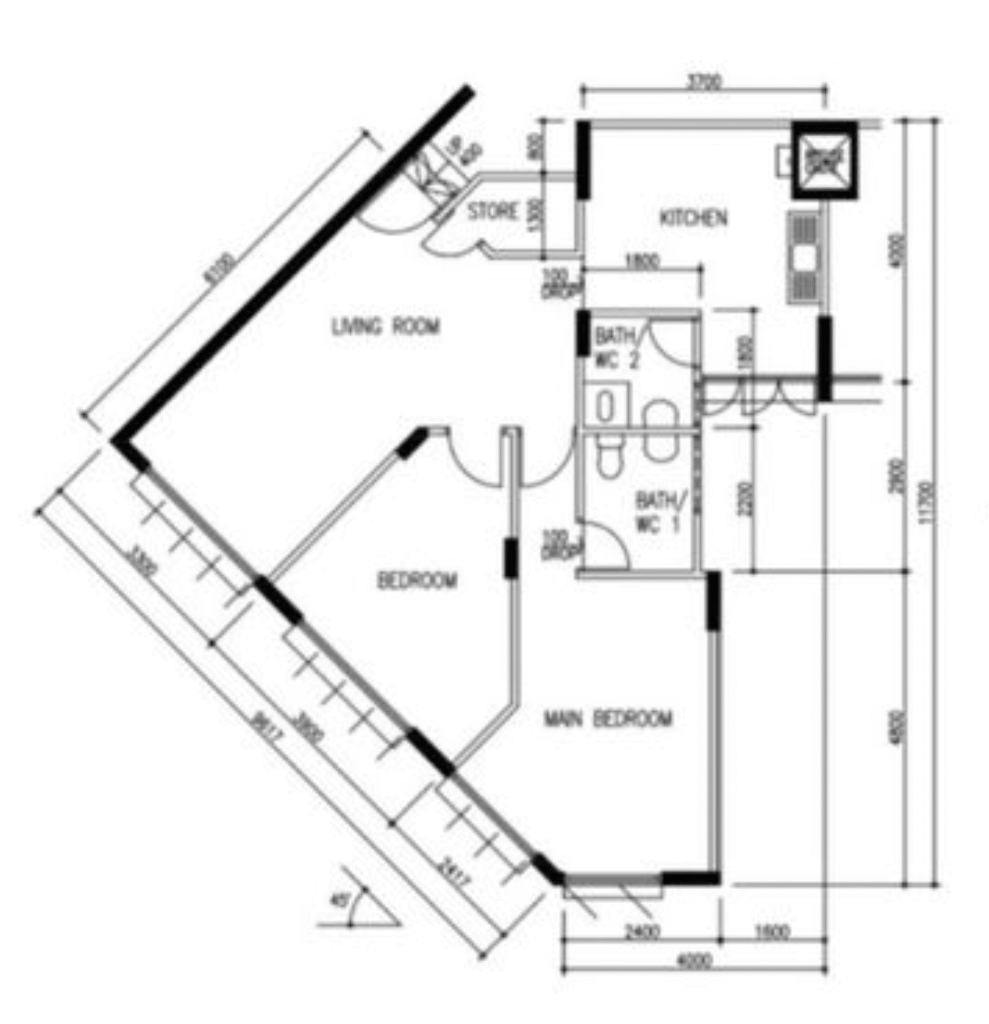
Think like the next buyer. If they’re buying for own stay, would they prefer a higher-floor unit or a lower-floor one? Is the layout practical? What other options will they be comparing your unit against when you eventually sell?
What price are your neighbours likely to be entering and exiting at? Because if you don’t think about this early, you may end up buying something that looks fine today but is much harder to sell later.
There’s no universal answer here. Both have trade-offs.
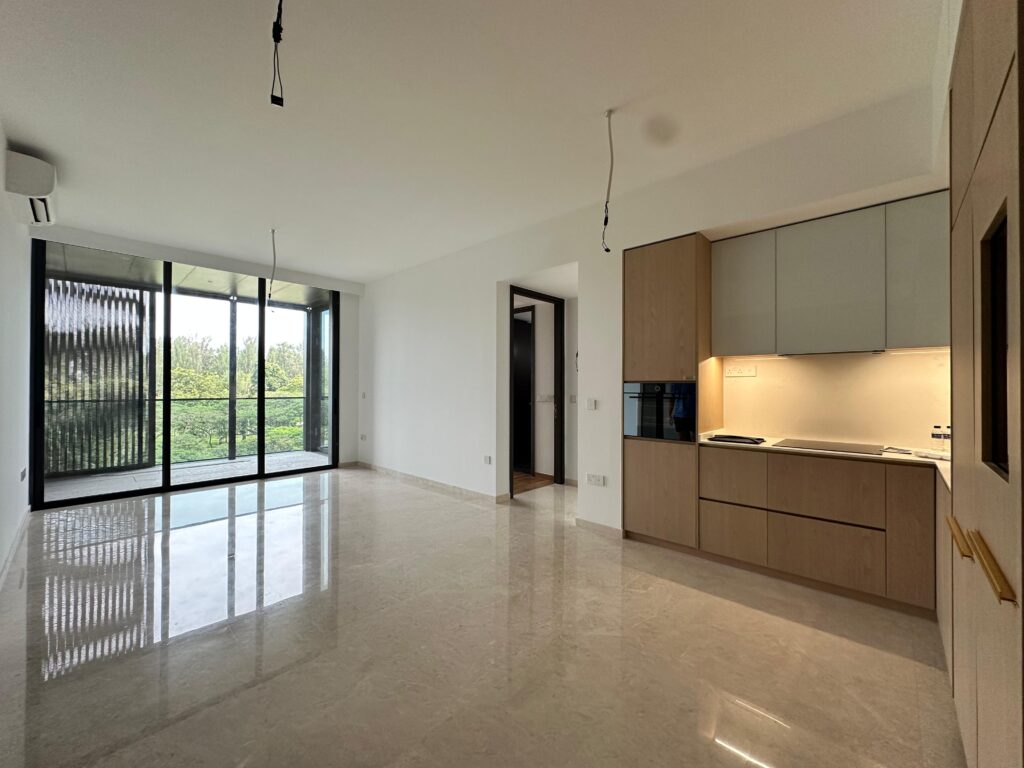
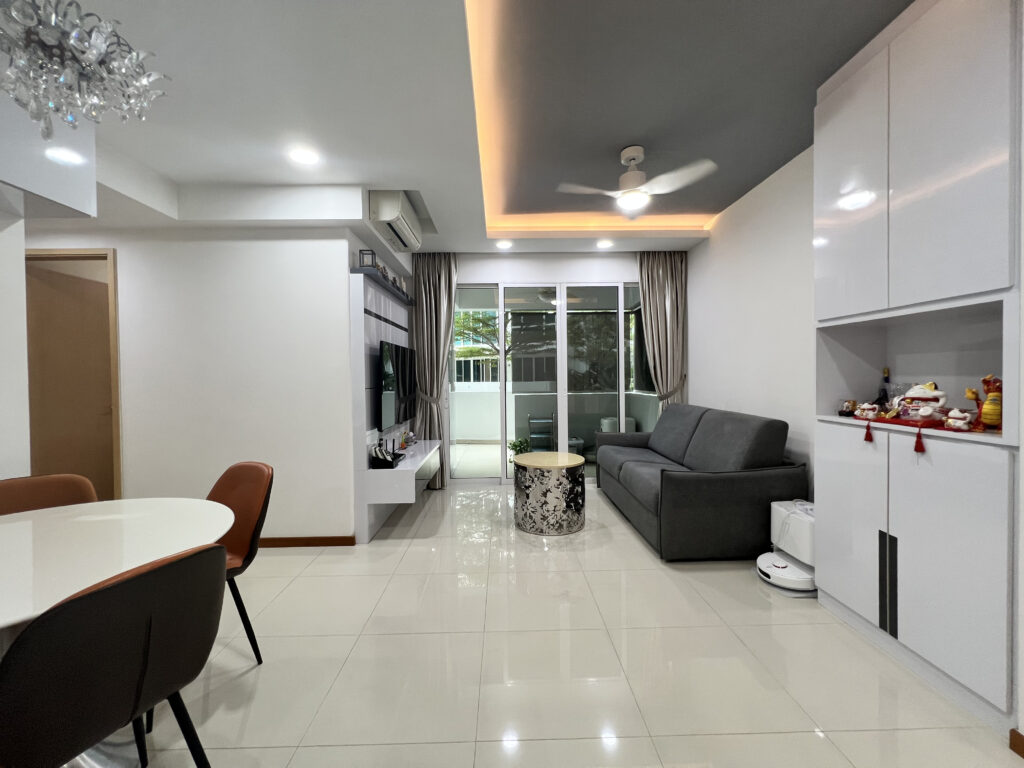
New launch advantages: everything is new, no renovation needed, progressive payment scheme helps with cash flow, lower initial outlay, newer layouts can be more efficient. The trade-off: you’re paying a premium for newness, and you may need to rent during the build period.
Resale advantages: more straightforward, what you see is what you get, lower psf, no waiting. The trade-off: layouts are often less efficient, immediate loan servicing, less of a future growth story to lean on.
Neither is automatically better. It depends on your priority.
If your priority is lower initial commitment, better cash flow flexibility, and you’re comfortable waiting, new launch can make sense.
If your priority is immediate use, rental income, or something more tangible today, resale may be the better fit.
Don’t ask which is better in general. Ask which is better for your stage, your numbers, and your risk tolerance.
There is no perfect timing. Only good entry and bad entry. More importantly, good planning or poor planning.
The market is not something you can fully control. Prices move, interest rates shift, policies change. What you can control is how you position yourself within the market.
If you structure your upgrade properly, even if the market moves slightly against you, you still have options. You can hold. You can stay comfortably. You can wait for the market to recover. Your decision doesn’t become urgent.
But if you overstretch, if your finances are too tight or your entry price leaves no buffer, even a small shift in the market will feel stressful. Suddenly every interest rate movement matters. Every price fluctuation feels amplified. You start reacting emotionally to short-term movements instead of making decisions from a position of strength.
Instead of asking “is now a good time to upgrade,” ask “am I upgrading the right way?”
Upgrade if:
Hold off if:
Upgrading isn’t a race. You don’t need to rush, you don’t need to compare. But when you are ready, you need to do it properly. One well-structured upgrade can change your entire property journey.
Every situation is different. Send me a message on WhatsApp and we can walk through your numbers properly.
A well-established name in the real estate industry, June Ling is a two-time Rising Millionaire (2024, 2025) with a proven track record of transacting over S$80 million in real estate. She began her career as the company-wide Top Rookie of the Year in 2023 and has since built and led a high-performing team.
Renowned for her strategic insight, market clarity, and disciplined execution, June advises clients across private residential, HDB, and co-living investments. Her approach goes beyond transactions, focusing on structuring decisions that align with long-term wealth objectives. Whether guiding homeowners, investors, or first-time buyers, June delivers clear, data-driven advice and seamless execution across every stage of the process.

There’s no universal “good time.” HDB resale is softening while private property prices continue to climb, which creates a specific window for upgraders. But whether it’s the right time for you depends on your income stability, your loan capacity, the entry price of the unit you’re considering, and whether you have a clear four to seven year holding plan. Asking “is now a good time” is the wrong question. Ask “am I upgrading the right way.”
Your purchase price is just one number. A realistic upgrade budget needs to include CPF usage and accrued interest, Buyer Stamp Duty, legal fees, loan structure, and ongoing monthly cash flow after the move. Most upgraders quote a budget that only covers the unit price, then realise they’re stretched thin once everything else is factored in. A proper upgrade should still leave room for flexibility, not push you to the edge.
Both approaches work depending on your finances and timing. Selling first gives you clarity on your exact budget and avoids ABSD on a second property, but you may need temporary accommodation. Buying first lets you move directly into the new place but requires bridging financing and exposure to ABSD if your HDB doesn’t sell quickly. The right sequence depends on your cash position, your loan eligibility, and how confident you are in your HDB’s saleability. Best discussed case by case.
Neither is universally better. New launch gives you lower initial outlay through progressive payment, newer layouts, and no renovation, but you pay a premium and may need to rent during the build. Resale gives you a tangible unit, lower psf, and no waiting, but you face immediate loan servicing and older layouts. The right choice depends on your cash flow needs, your timeline, and whether you prioritise certainty or upside potential.
A safe entry has three features: it’s clearly below where newer supply in the same area is being launched, it leaves you with at least a $300 to $500 psf buffer compared to the highest recent transactions in the development, and your exit math still works even if the market softens slightly. The goal is to avoid being stuck in a unit you can’t exit comfortably within your planning horizon.
Realistically, four to seven years is the comfortable range. This gives surrounding developments time to establish clearer price benchmarks, allows you to ride through any short-term market movement, and gets you past most policy cycles. Shorter holds are possible if the market moves in your favour, but planning for a shorter exit puts pressure on every decision. Plan for the longer horizon, treat earlier exits as a bonus.
Known for her personalized approach and deep market knowledge, June is committed to providing exceptional service and ensuring successful transactions for every client.
© Copyright 2025 June Ling. Website created by Creatif.work